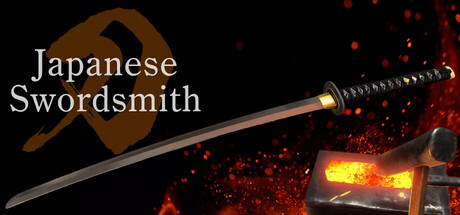
From tamahagane to a finished katana. Become a swordsmith in Bakumatsu Kyoto—sumikiri, mizuheshi, folding forge, the quench, polishing—finish a Japanese sword with your own hands. A hardcore swordsmith simulator. It will not be easy.
Japanese Swordsmith 在线人数与 Steam 图表
实时
在线人数—24 小时 —
24 小时峰值玩家0今日最高样本
30 天峰值玩家0平均 —
历史峰值玩家0自开始追踪以来
30 天游玩时长—估算值
Steam 图表 · 30 天在线人数等待采样
正在收集每日样本尚未存储该游戏的每日样本。积累最初几天的历史数据后,曲线就会出现。
24 小时—7 天—趋势持平
评测0 篇评测
—No user reviews
0 篇好评0 篇差评
推荐数—
媒体
10 张图片
游戏详情
关于这款游戏
游戏
发行日期—发行日期未公布
开发者SENSE SHARE发行商SENSE SHARE类型独立模拟
—成就—DLC4958850
关于这款游戏
玩家数更新于 — · 商店数据更新于 9月22日 23:23 UTC · 来源:SteamWebAPI
最低配置推荐配置系统Windows 10 (64-bit)Windows 10 / 11 (64-bit)处理器Intel Core i5-8400 / AMD Ryzen 5 2600 or betterIntel Core i7-10700 / AMD Ryzen 7 3700X or better显卡NVIDIA GTX 1060 6GB / AMD RX 580 8GB or better (Vulkan compatible)NVIDIA RTX 2060 / AMD RX 6600 or better (Vulkan compatible)内存8 GB RAM16 GB RAM存储空间8 GB available space10 GB available space
关于 Japanese Swordsmith
From tamahagane to a finished katana.
Become a swordsmith in Bakumatsu-era Kyoto.
Japanese Swordsmith is a hardcore swordsmith simulator built around the traditional path of Japanese sword making. Sumikiri, mizuheshi, stacking and welding, folding forge, steel construction, drawing out, fire shaping, clay packing, the quench, polishing, and mounting.
Not a minigame—this is real work.
Learn the traditional craft path and forge your own katana from tamahagane.
Take on shapes inspired by famous and fictional blades.
The traditional craft path
- Sumikiri (charcoal cutting) — cut and prepare charcoal for the forge fire with your own hands
- Mizuheshi (break & sort) — heat and hammer tamahagane, quench it, then sort the broken pieces
- Tsumiwakashi (stack & weld) — stack fragments and forge them into a single billet
- Tanren (folding forge) — fold and hammer to refine the steel
- Tsukurikomi (construction) — layer jacket and core steels into the blade's heart
- Wakashinobe / Sunobe (drawing out) — draw the steel to length and shape the kissaki
- Hizukuri (fire shaping) — form the edge, spine, curve, and the rest of the blade
- Tsuchioki (clay packing) — paint the clay line that will become the hamon
- Yakiire (the quench) — quench the heated blade and lock in the hamon—one shot, no undo
- Togi (polishing) — remove clay on the stone and bring out jigane and hamon
- Koshirae (mounting) — fit tsuka, tsuba, saya, and finish the sword as a whole
Read the steel. Make your best blade.
Watch the forge fire, the color of hot steel, the state of every strike—and finish the metal at its best. If you aim for a katana that will not break, will not bend, and will cut true, that attention is required.
A blade with your mark
The clay line you place becomes the hamon. Whether it rises cleanly depends on the steel and the quench. The work you put in shows in the blade's face—hamon, jigane, and character.
Lay out the forge your way
Place key tools, furniture, tamahagane, steel in progress, and blades where you want them. Chase efficiency or atmosphere—build the workshop in your own style.
The path of the swordsmith is long and steep.
Can you forge a blade worthy of history?

 未发行
未发行