O grze Rice & Ink: Family Chronicle
Not an invented age — the real one. Jiangnan, 1500–1839. The late Ming, then the Qing conquest of 1644–1645, when men are ordered to shave the forehead and wear the queue. Laws, sentences, dress, hats and fabrics follow the edicts of their year. Exam quotas follow the real dates. Funerals follow the Family Rituals. Houses follow studies of Jiangnan dwellings; figures and working poses are checked against period scrolls and albums (Prosperous Suzhou, Tiangong Kaiwu, Pictures of Tilling and Weaving). Start in 1500 or later — history plays out without you until your chosen year.
耕读传家 — “farm and study, and the house goes on.” You lead not one person but an entire household: the head and his wife, sons and daughters-in-law, servants and retainers. People age and die, the house passes to an heir, and the world keeps living without you — thousands of households across the county plant rice, sit the exams, rise and go bankrupt.
The land. Rice month by month: ploughing, transplanting, treadle-pump irrigation, reaping, threshing. Good years and failed harvests, tenancy, taxes in grain and silver.
Exams and office. The scholar's path is played, not rolled: interpreting the theme, the policy essay, the eight-legged essay, the poem, the fair copy, the palace examination. A degree brings face and office — and with office come evaluations, letters from the yamen, taxes, lawsuits and disasters.
Business. Shops, mills and weaving workshops: profits, managers who skim, ventures far from home.
The lineage. An ancestral hall, a lineage fund, marriages and alliances, funerals and mourning. A feud with the neighbouring lineage can end in a brawl at the graves — and a captive kneeling in your courtyard.
Roads and combat. Travel the county on foot or by sedan chair, meet strangers on the road, run into bandits. Combat is real-time: your retinue, armed servants, directional strikes and blocks.
The yamen. Trials and sentences under Ming and Qing law, neighbours' lawsuits, informants and bribes.
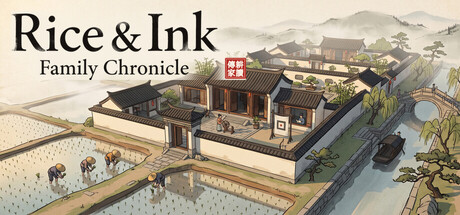
A living courtyard. Your estate grows after real Jiangnan houses: halls, wings, a study, an archery range. Its people work, study, shoot arrows, carry babies on their backs and bury their elders. Drawn in ink, in the spirit of the scrolls.
Languages: English, Russian, Simplified Chinese.

 Niewydana