It's the Insides That Count hakkında
Congratulations, Specialist Team CLU-3L-355. You have been assigned your first human specimen. Your 37 minutes of training will be paramount in ensuring a smooth maintenance procedure. Defer your judgment to the Human Extraction & Life-preservation Protocol Section 12.7 to avoid the unfortunate accidents that forced other specialist teams into premature and abrupt retirement.
It Takes a Team
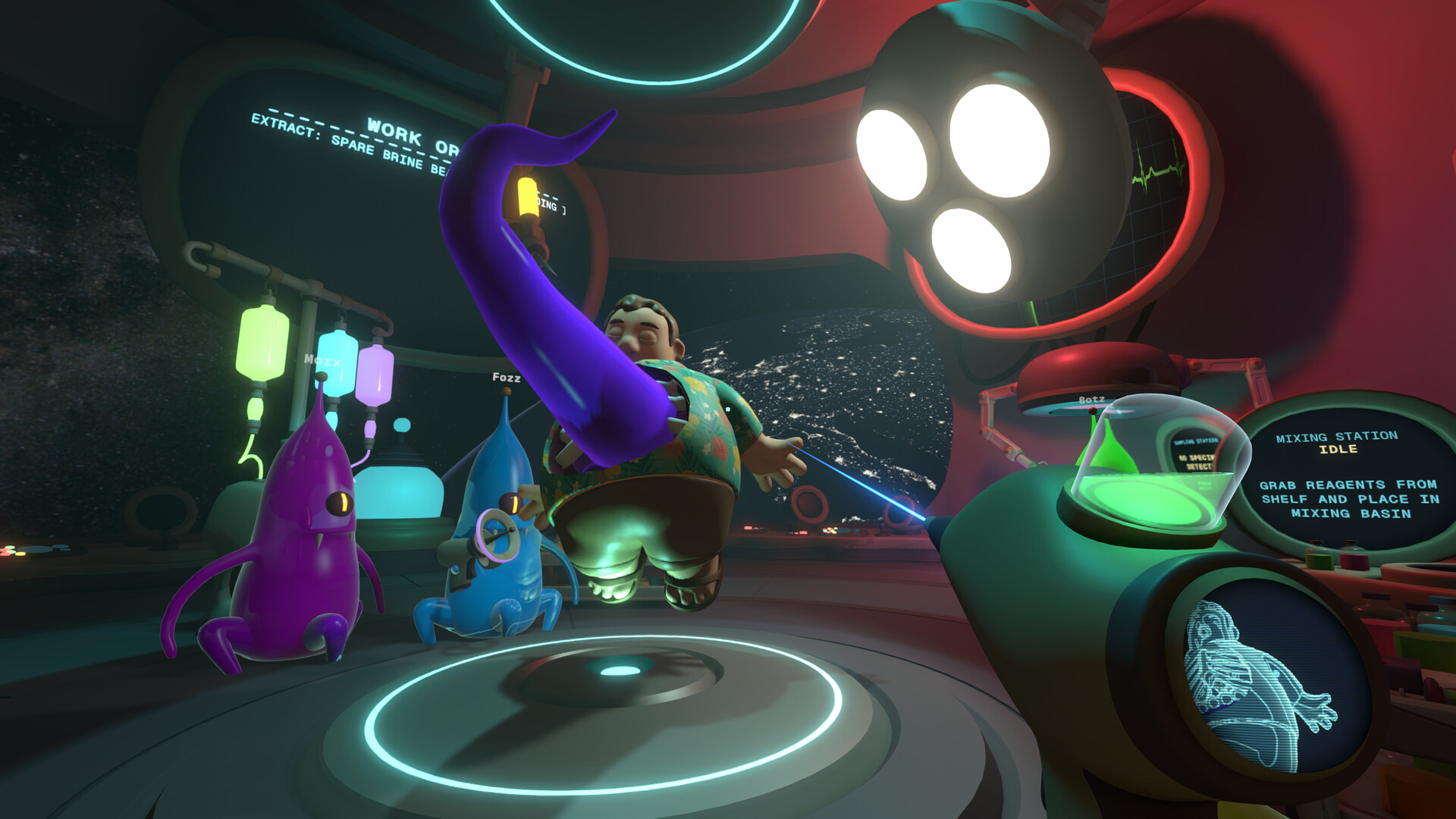
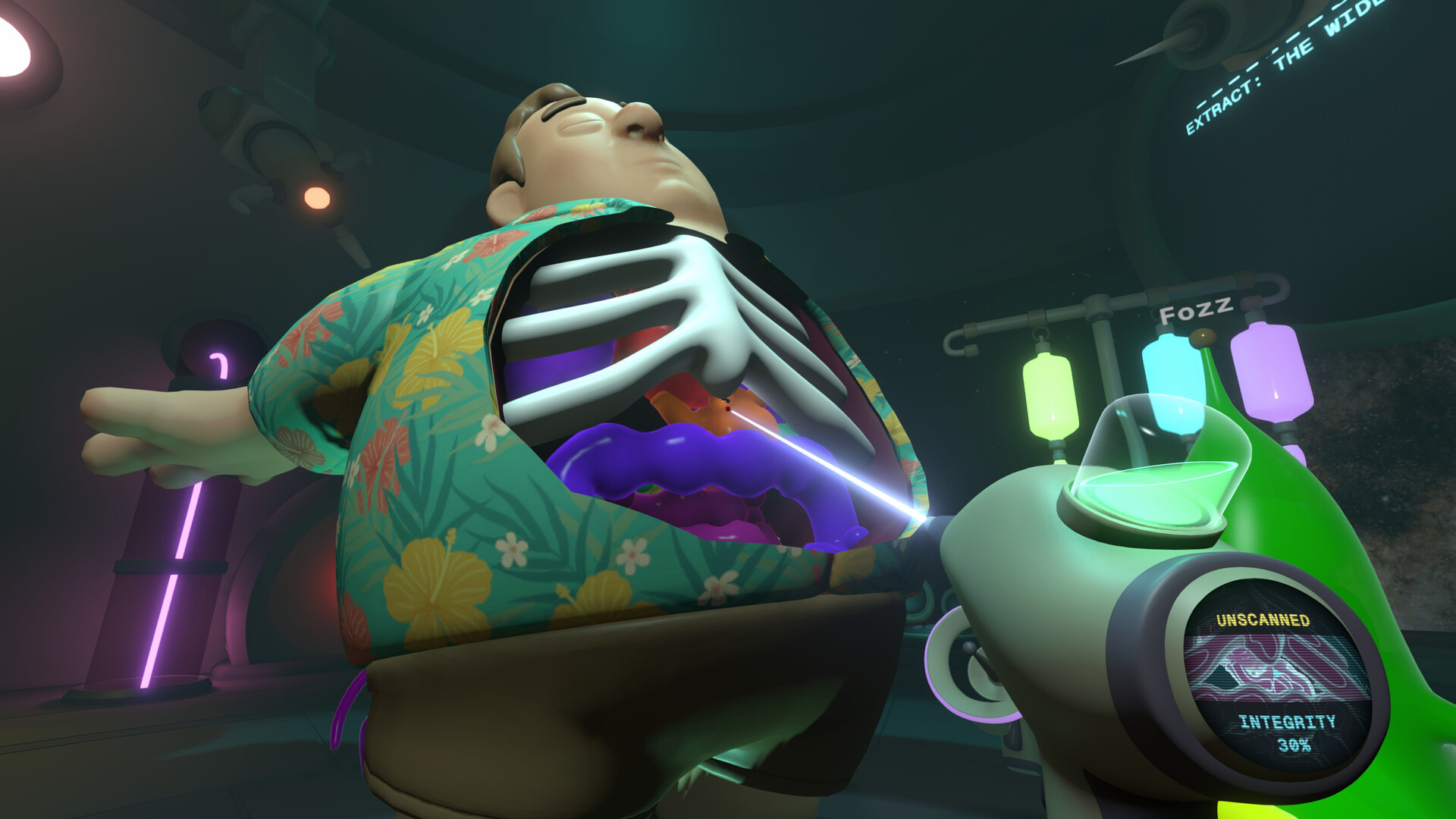
Four roles, supervised only by each other and a protocol of dubious medical literacy. Someone scans for the dangers lurking inside the specimen, someone brews compounds, someone steadies the body, someone holds the laser. The procedure only works when you work together. It also works when you don't: the grav gun doesn't have a friendly-fire setting and the laser has a tendency to overheat.
Extract, Examine and Reinsert
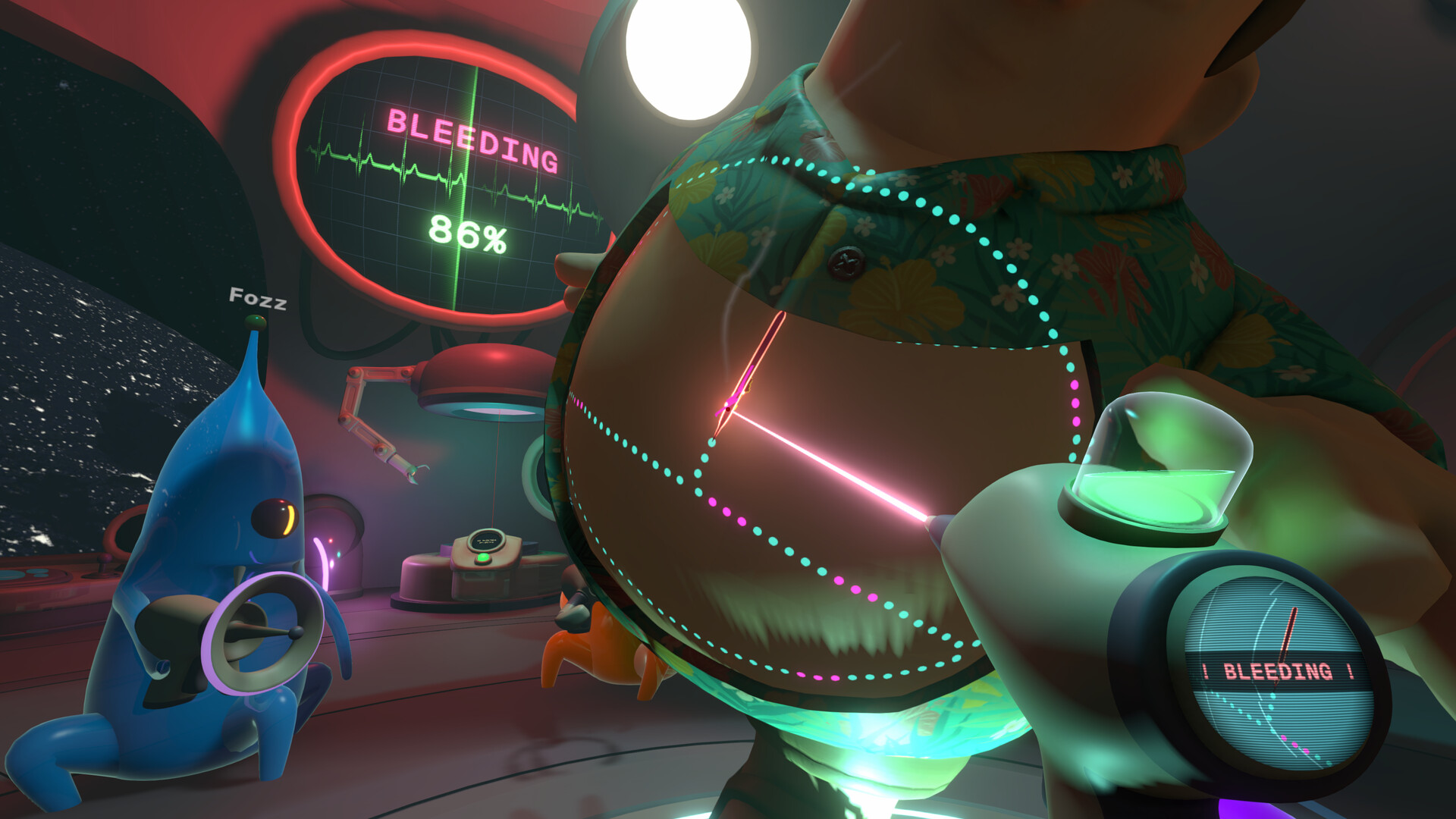
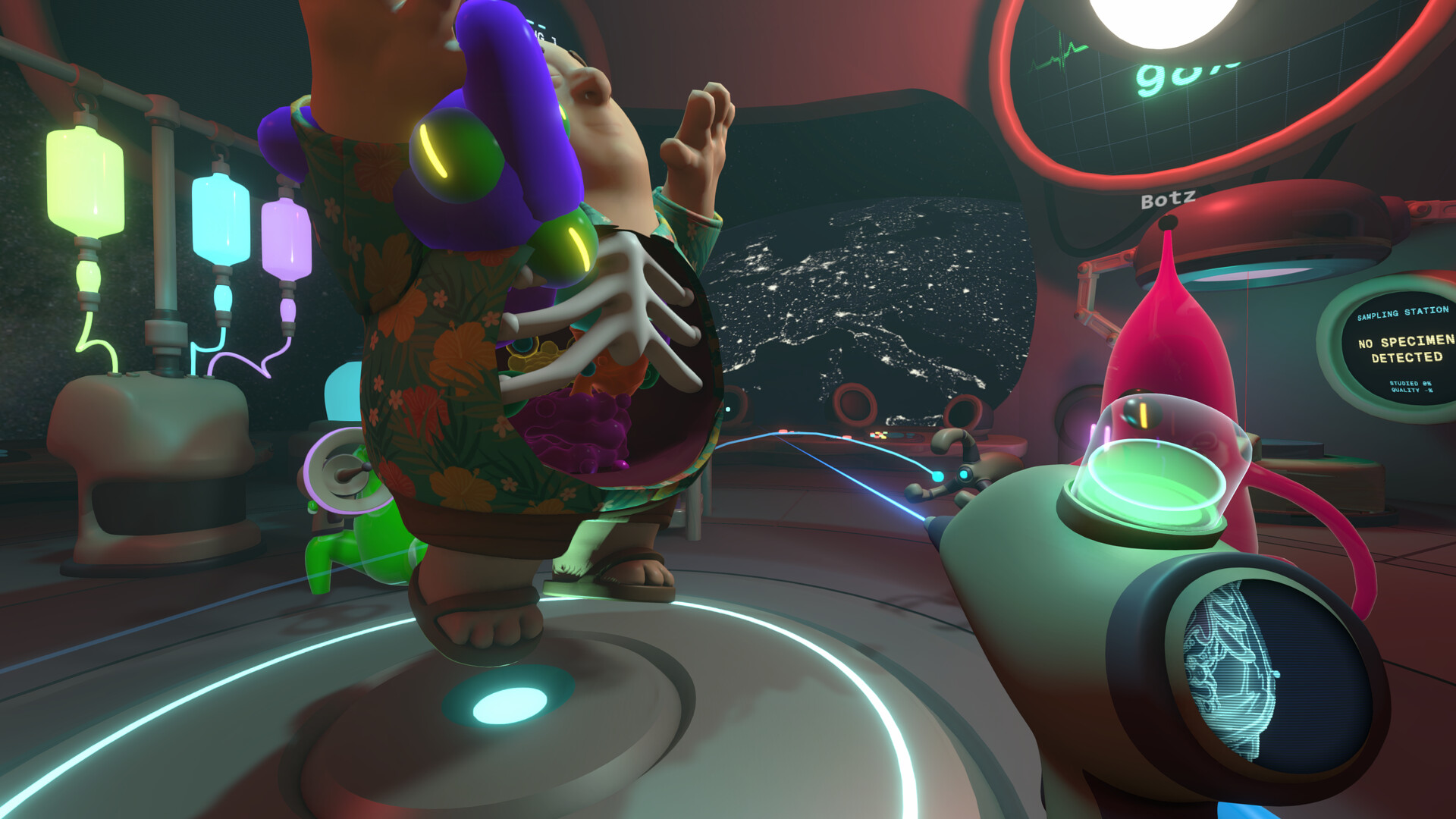
Every organ is held in place by anchor points. Scan them to learn which ones are safe to rip, which ones will bleed and which ones hide something worse. Haul organs out of the specimen, prepare them for study and put them back in before it's too late. As if nothing ever happened, more or less.
Reagents and Compounds
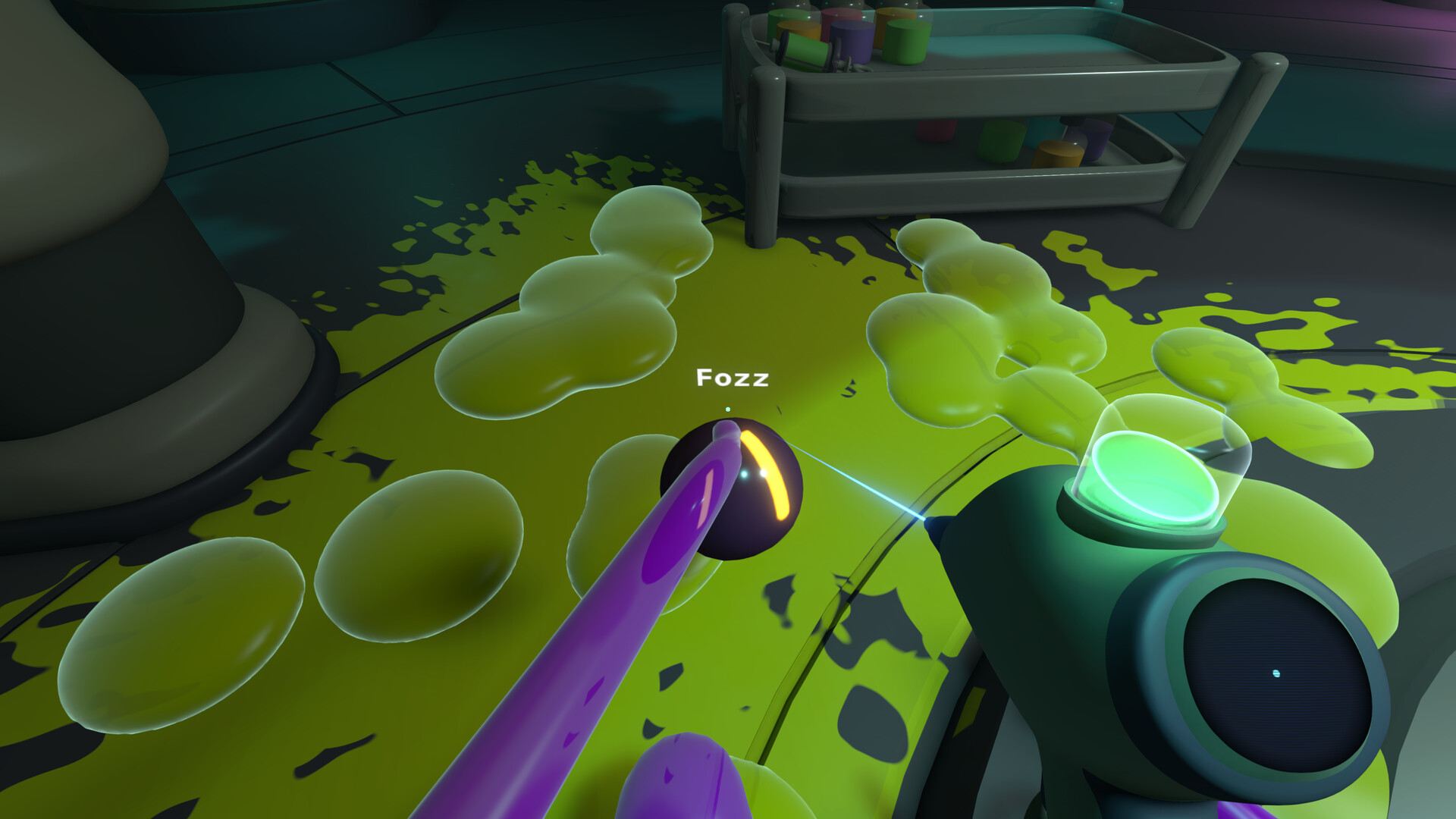
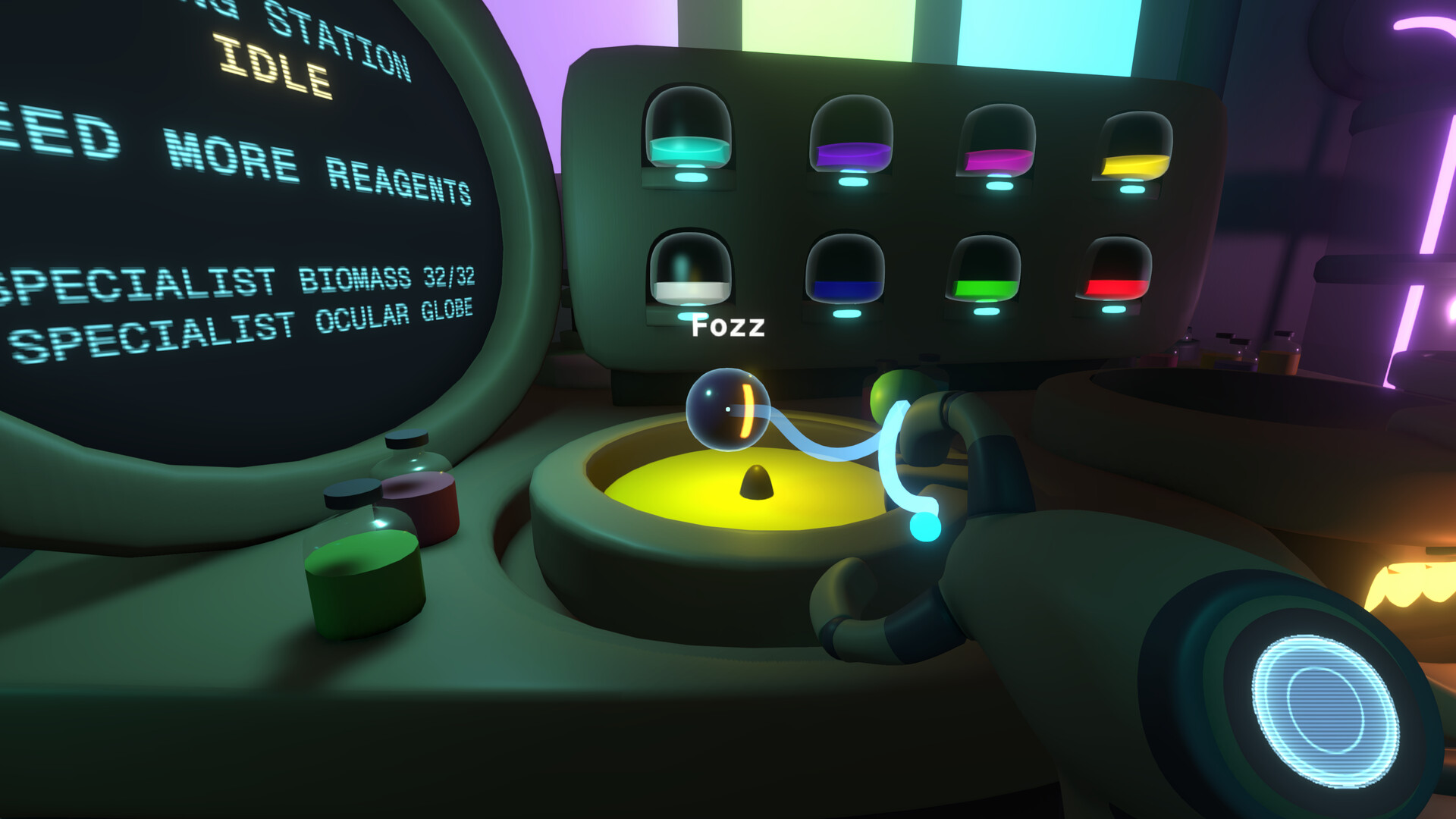
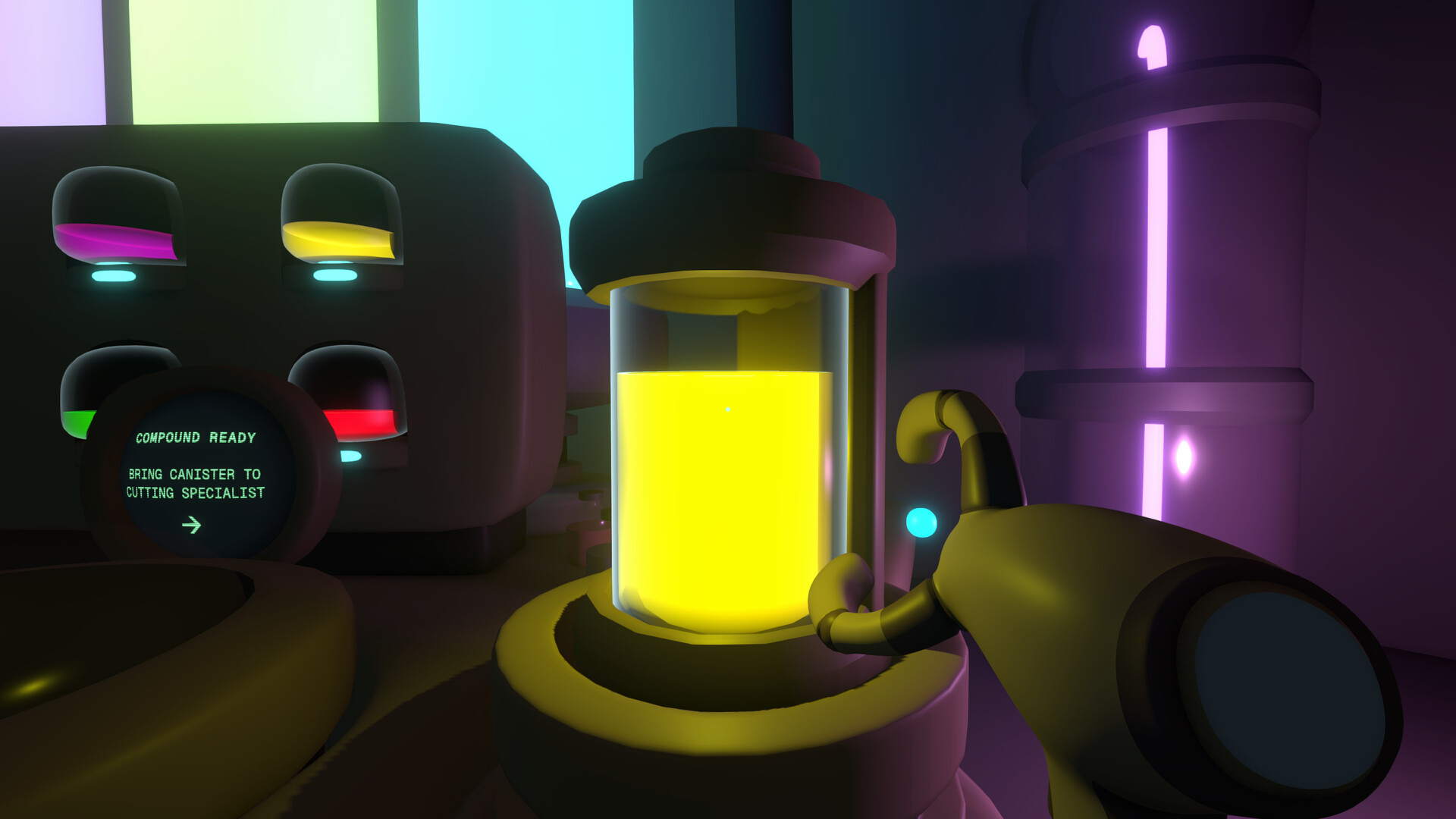
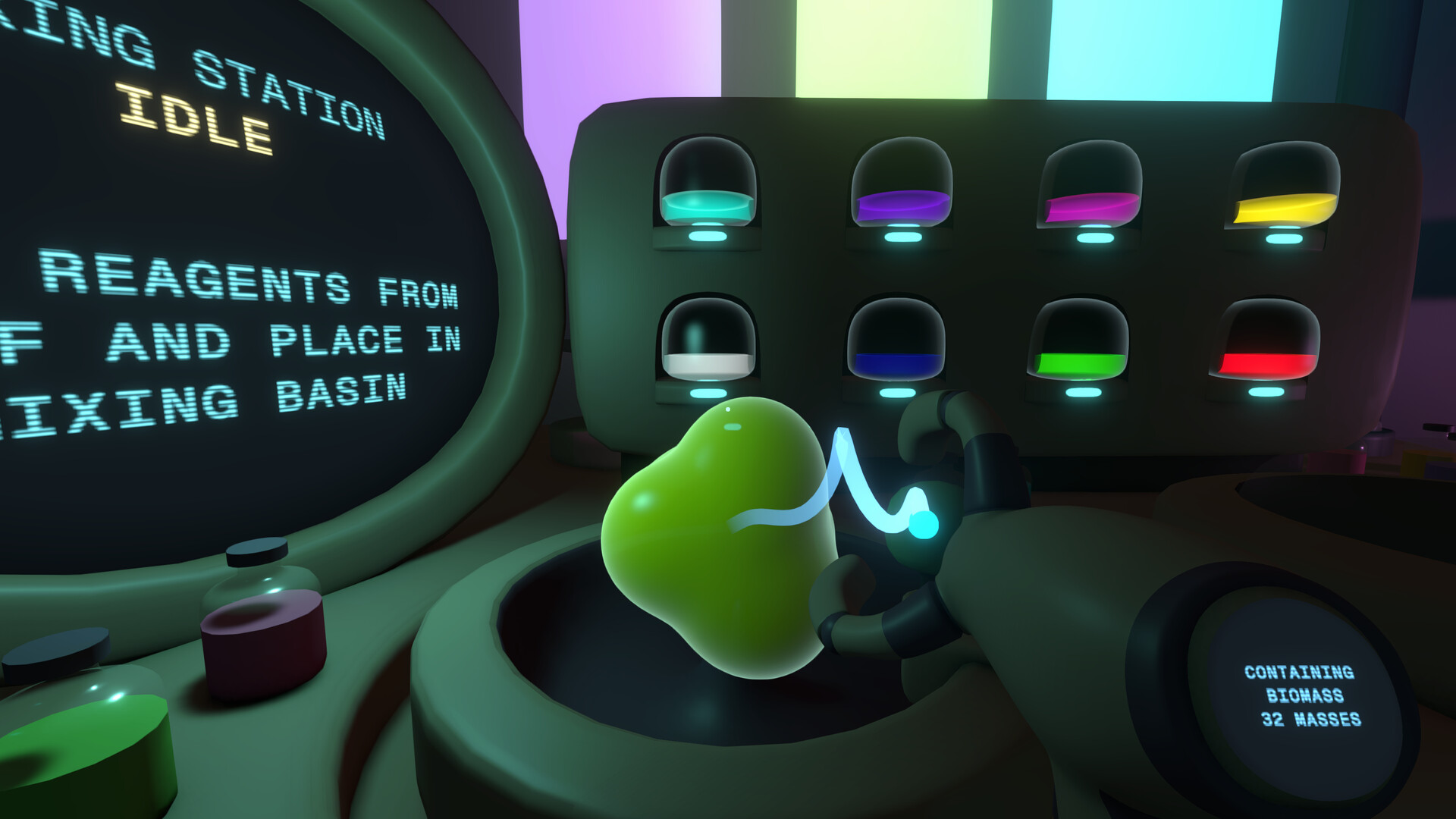
Who knew that hull sealant could also be used to treat bleeding just as effectively? Eight reagents for containing chaos and causing it in equal measure. Use the scanner to identify what to brew. Mix and heat the compound just right and run it across the room before the situation deteriorates beyond repair. Your esteemed colleagues may also become unwilling ingredients of this brewing process.
All According to Plan
The tractor beam interfered with the human specimen's DNA in an unpredictable and invasive way. So now you're operating on a human that may or may not grow extra parts, which in turn may or may not grow extra limbs. All while the ship plows through asteroid fields and solar flares. Thankfully, eons of wisdom and bureaucracy have produced H.E.L.P., where you will find a contingency plan for everything.